Beyond Kegels: Pelvic Floor Devices that Actually Work

Pelvic health physiotherapy has evolved well beyond just doing Kegels—and for good reason! Many people experiencing pelvic pain, dysfunction, or incontinence need more personalized and progressive tools to restore their pelvic floor health and function. Fortunately, there are evidence-informed, at-home devices that complement pelvic health physiotherapy done in the clinic, and help people continue their progress between appointments. Here’s a breakdown of some commonly used tools we use at ellephysio, how they work, and what they’re used for.
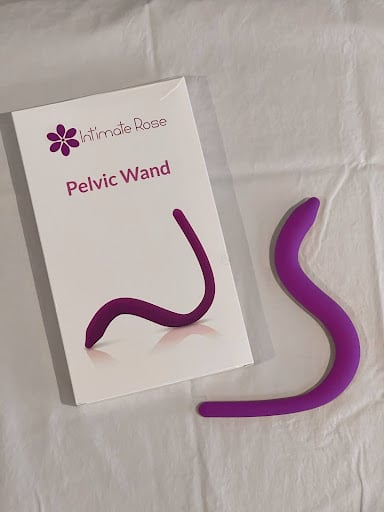
Pelvic Wand
What It Is:
A pelvic wand is a soft, ergonomically shaped tool made of medical-grade silicone. It’s designed to be inserted vaginally or rectally to target and reach deep pelvic floor muscles.
How It Works:
With the help of a water-based lubricant, the wand is inserted and used to apply direct pressure and gentle massage to tight or tender pelvic floor muscles. It mimics the manual therapy techniques we use in clinic, and can be part of your at-home care routine and self-management of pelvic floor muscle tension.
Common Uses:
Ideal for managing hypertonic pelvic floor muscles—this means muscles that are too tight, tense, or in spasm. It’s often used to relieve pelvic pain, discomfort, and dysfunction caused by muscle overactivity or trigger points.
Dilators
What They Are:
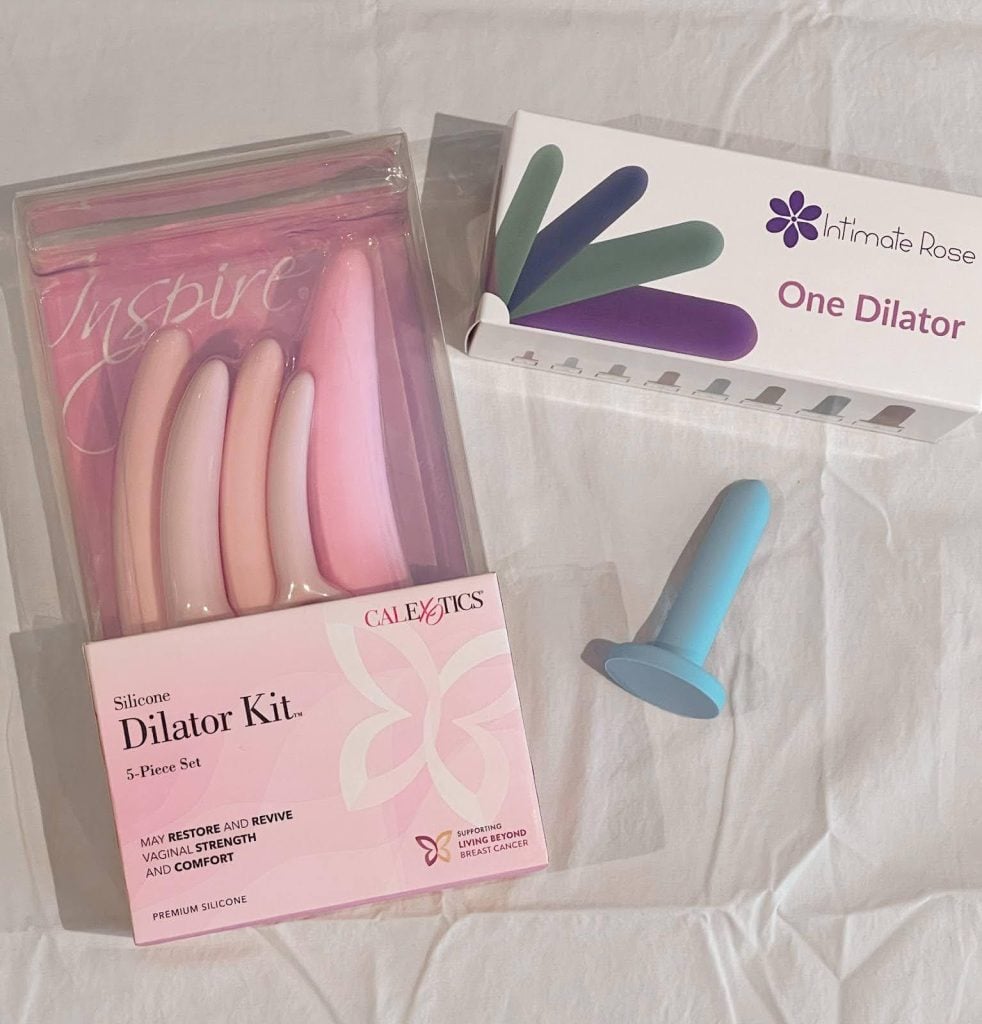
Dilators are a set of soft, medical-grade silicone tools that come in gradually increasing sizes. The goal is to work up to larger sizes comfortably and slowly over time.
How They Work:
Used vaginally with lubrication, dilators help stretch, expand, and relax the tissues and pelvic floor muscles at the vaginal opening. The gradual progression allows for control, comfort, and improved tolerance to penetration.
Common Uses:
Dilators are often prescribed for conditions like vaginismus, dyspareunia (pain with penetration or intercourse), and discomfort during medical exams. They are effective for desensitization and improving both comfort and confidence.
Pelvic Floor Muscle Stim (NMES)
What It Is:
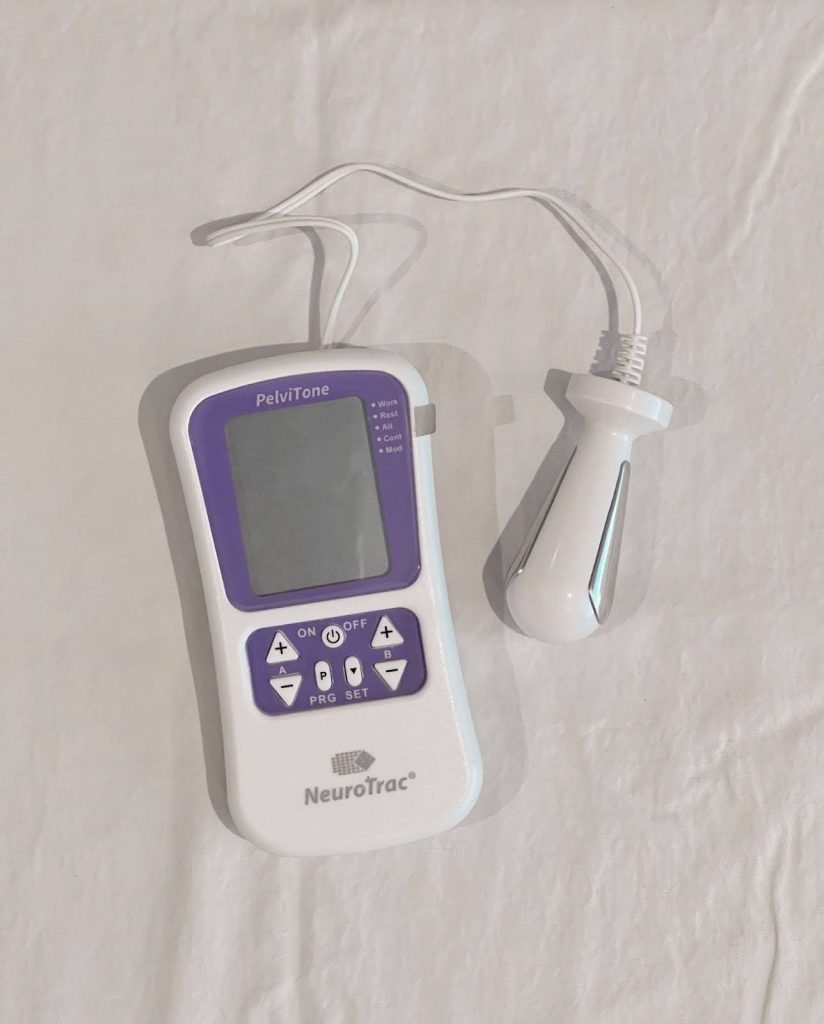
Pelvic muscle stimulation is a type of neuromuscular electrical stimulation (NMES), a modality commonly used in orthopedic rehab to strengthen muscles. For the pelvic floor, a probe is used internally to target the muscles directly.
How It Works:
Low-voltage electrical impulses are delivered directly to the pelvic floor muscles, prompting them to contract and recruit a higher number of muscle fibers. Most units come with pre-set programs that control the frequency, duration, and intensity of the stimulation. Always consult a pelvic health physiotherapist on how to utilize the unit safely, and to choose a program that is appropriate for your specific needs.
Common Uses:
This tool is effective for strengthening pelvic floor muscles, maintaining tone, and preventing muscle atrophy. It’s commonly used to manage symptoms of stress urinary incontinence, urgency, and frequency that stem from pelvic floor weakness.
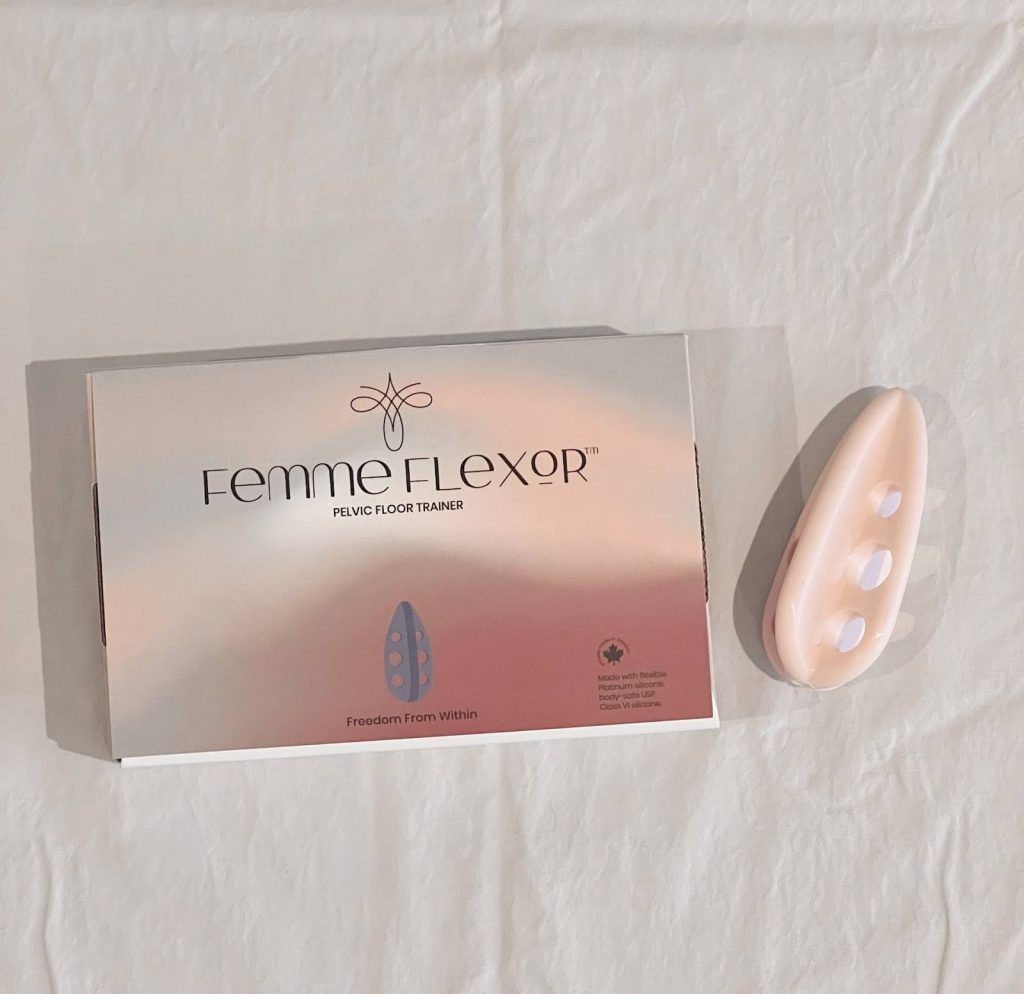
Femme Flexor
What It Is:
The femme flexor is a soft, silicone vaginal insert that acts like a small “stress ball” for your pelvic floor. It provides both feedback and resistance during contractions.
How It Works:
Inserted vaginally, it offers tactile resistance, helping users build both strength and endurance in their pelvic floor muscles. The feedback helps ensure correct muscle engagement during exercises.
Common Uses:
Used in cases of pelvic floor weakness, the femme flexor helps treat symptoms like stress incontinence, urgency, and general muscle fatigue.
Final Thoughts
Pelvic health devices such as these can be incredibly helpful as part of a comprehensive, physiotherapist-guided treatment plan. Each device serves a unique purpose—some help relax and release tight muscles, while others aim to build strength and endurance. Remember to always consult a pelvic floor physiotherapist. We’ll assess your symptoms, provide individualized guidance, and help you use these tools safely and effectively.
Pelvic floor dysfunction isn’t something you have to live with. With the right tools and support, recovery is absolutely possible!