Webinar Recap: “It’s Not Just ‘Getting Older’: Pelvic Problems You Can Actually Fix” with Dr. Christina Prevett
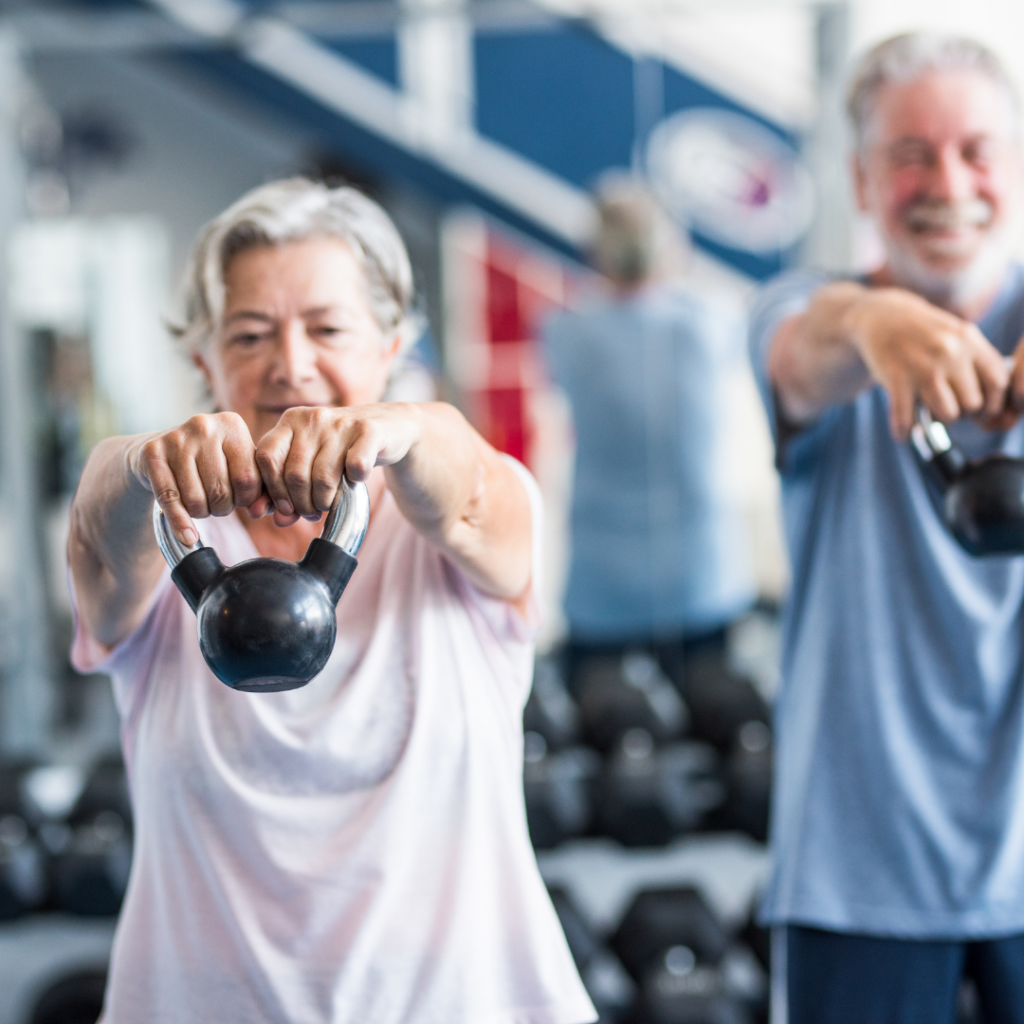
Canadian physiotherapist with a PhD in Rehabilitation Sciences (Geriatrics); Dr. Christina Prevett’s recent webinar entitled, It’s not just ‘getting older’, shed light on a topic too often brushed off as a natural part of aging: pelvic floor dysfunction. With a focus on older adults, the session explored how common issues like incontinence can—and should—be addressed through evidence-based strategies, particularly exercise.
Understanding the Challenges
As one ages, they face a range of health challenges including sarcopenia (loss of muscle mass), osteopenia (loss of bone density), and overall physical deconditioning. These changes don’t just affect mobility—they directly impact the strength and function of the pelvic floor. For women, hormonal changes during menopause further contribute to pelvic floor issues and genitourinary symptoms. Dr. Prevett also emphasized that the age of onset of menopause can correlate with a greater risk for comorbidities such as cardiovascular disease and Alzheimer’s.
The Pelvic Floor Connection
The decline in whole-body strength that comes with aging often leads individuals to unknowingly change how they move—using strategies like breath-holding during physical tasks. This particular compensation can increase intra-abdominal pressure and put undue strain on the pelvic floor, worsening symptoms like incontinence or prolapse. The good news is, strengthening the entire body improves movement patterns, increases tolerance for physical tasks, and ultimately reduces the strain on the pelvic floor.
Medication Matters
Medications common in older adults can also affect pelvic health. Diuretics (often used in the treatment of cardiac conditions), for instance, increase urinary frequency and can lead to nighttime leakage. Dr. Prevett suggests taking these medications earlier in the day to help manage symptoms. Constipation —often a side effect of various drugs — adds another layer of pelvic floor stress due to both physical pressure and the straining required to void.
The Importance of Screening: A Holistic Approach

To truly support older adults in managing pelvic health, it is essential for all health care providers to include pelvic floor screening questions as part of routine assessments. These questions can uncover issues that may not be voluntarily disclosed, allowing for more personalized and effective care. Key questions include:
- At what age did menopause begin?
- Earlier onset can indicate increased risk of other health issues that may impact pelvic function.
- Do you leak urine with coughing, sneezing, or physical exertion?
- This may point to stress urinary incontinence and weakening of pelvic floor support.
- Do you ever leak urine on the way to the bathroom?
- Urge incontinence is common and may respond well to behavioral and exercise-based strategies.
- Do you have regular bowel movements, or struggle with constipation?
- Constipation can place significant pressure on the pelvic floor, contributing to dysfunction over time.
Including these simple but targeted questions ensures a more comprehensive understanding of each individual’s health and helps guide both preventative and rehabilitative care.
Moving Toward Solutions
Dr. Prevett’s message was clear: these issues are not just a normal part of aging — they are treatable. With the right screening, education, and strengthening strategies, individuals can maintain their independence, dignity, and quality of life well into their later years. Now THAT is something to celebrate!

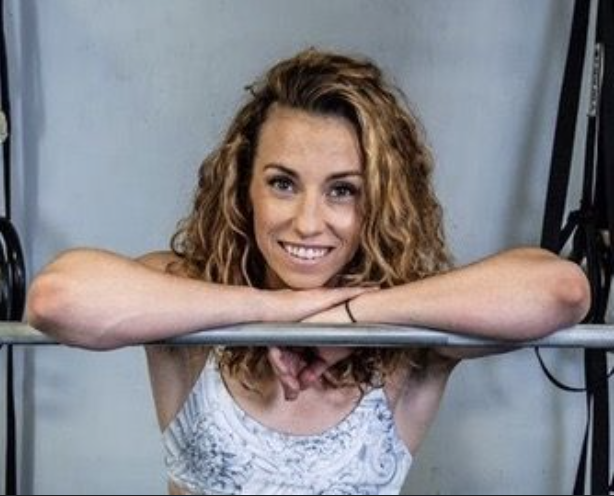
Dr. Christina Prevett is from Alberta, Canada. She is currently a postdoctoral research fellow, studying the role of high-intensity exercise in the perinatal space with particular attention to its interaction with pelvic floor function. She has published peer-reviewed research papers in older adult rehab, pregnancy and pelvic health; and is the co-creator of The Barbell Mamas – programming for pregnant and post-partum athletes. As a mom of 2, she loves to share her passion for helping women with different life transitions, including postpartum care and menopause. A passion that we share here at ellephysio!