Get Winter Ready: Build Strength, Balance, and Mobility for the Colder Months
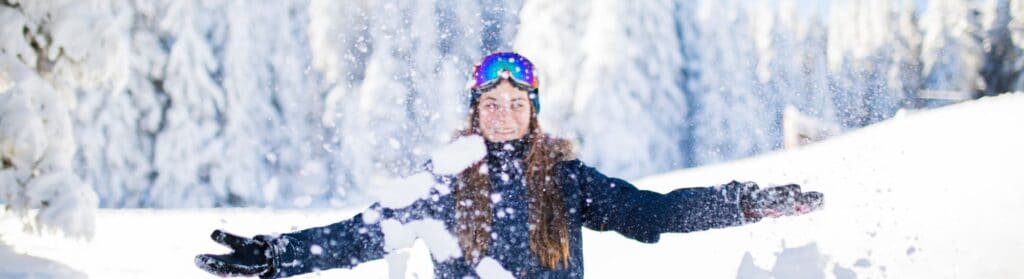
As temperatures drop, icy sidewalks, heavier footwear, and snow shovelling can make everyday activities more physically demanding. Shorter days and colder weather can also mean less time spent outdoors and less movement throughout the day.
Preparing your body for Winter doesn’t require hours at the gym. By focusing on lower body strength, balance, ankle mobility, and overall conditioning, you can help improve movement, build confidence, and better manage the physical demands of the season.
Build Lower Body Strength
Strong legs and hips help support your body during walking, stair climbing, and everyday Winter chores. They also contribute to controlling movement on uneven surfaces.
Exercises to try:
- Sit-to-stands: Practise standing up from a sturdy chair and lowering yourself with control.
- Calf raises: Rise onto your toes and slowly lower your heels to strengthen your calves.
- Supported squats: Hold a countertop for balance while gently bending your knees and hips.
Improve Balance and Stability
Snow, ice, and slushy sidewalks make balance especially important during Winter. Practicing balance in a safe environment can help improve coordination and body awareness.
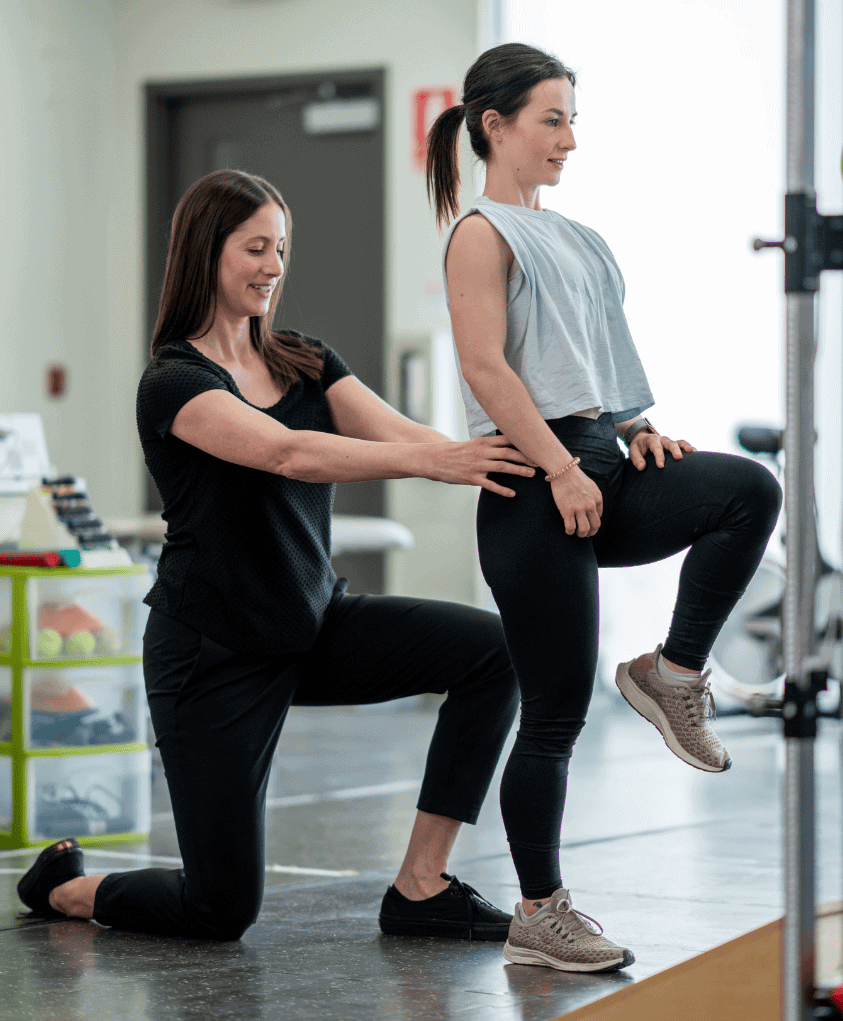
Exercises to try:
- Weight shifts: Slowly shift your weight from side to side while standing.
- Tandem stance: Place one foot directly in front of the other, using a sturdy support if needed.
- Marching in place: Lift one knee at a time while maintaining an upright posture.
Maintain Ankle Mobility
Your ankles help you adapt to changes in the ground, navigate stairs, and maintain balance. Stiffness or restrictive Winter boots can make some movements more difficult.
Exercises to try:
- Ankle circles: Gently rotate each ankle in both directions while seated.
- Ankle pumps: Point your toes away from you, then draw them back toward your shin.
- Calf stretches: Lean gently against a wall with one foot behind you and the heel down.
Move within a comfortable range and avoid forcing any movement that causes pain.
Don’t Forget Winter Safety
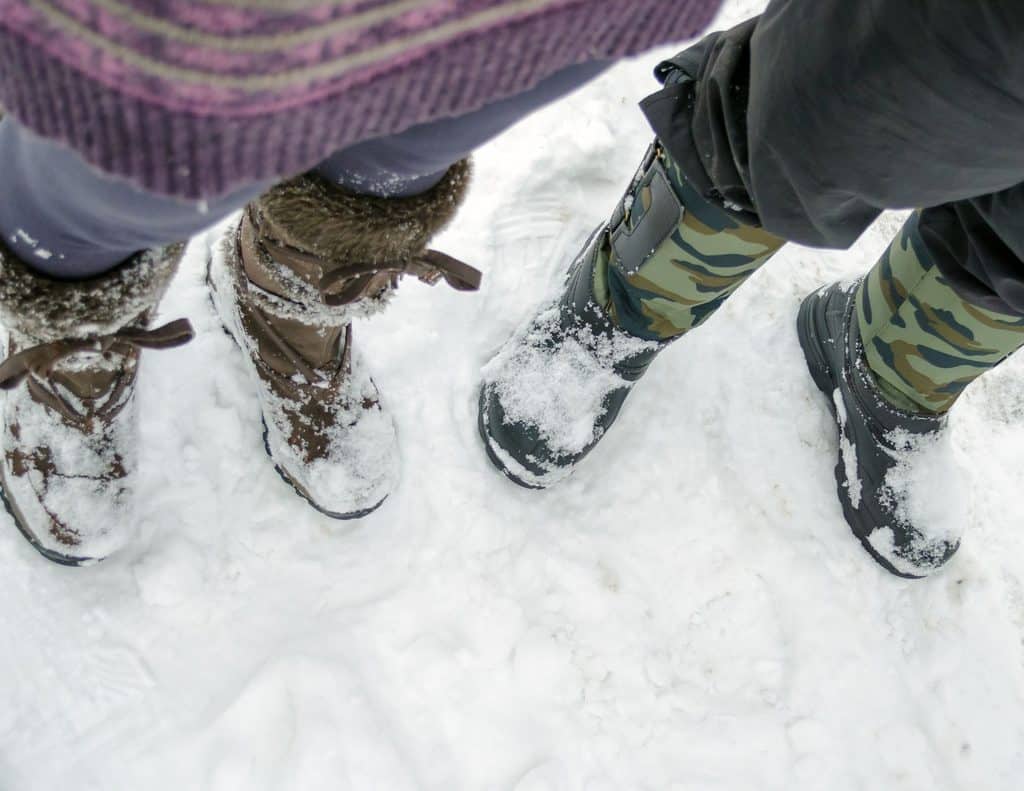
Physical preparation is only one part of staying safe. Choose well-fitting footwear with good traction, take shorter steps on slippery surfaces, allow extra time outdoors, and use handrails when available. Ice cleats may also be helpful when conditions warrant them.
Even with good strength and balance, icy conditions can cause falls, so always prioritize your surroundings and safety.
Step Into Winter With Confidence
Winter brings unique physical challenges, but a little preparation can go a long way. Building lower body strength, improving balance, maintaining ankle mobility, and staying active can help you feel more prepared for everyday Winter activities.