

Why Does Golf Cause Back Pain?
For many Canadians, summer means one thing: golf season! Whether you’re playing nine holes with friends or spending entire weekends on the course, golf is a fantastic way to stay active, enjoy the outdoors, and challenge yourself. But if you’ve ever walked off the 18th hole with a sore back, you’re not alone.
Low back pain is one of the most common complaints among golfers of all skill levels. The reason? The golf swing is more demanding than it looks.
The Golf Swing: A Full-Body Movement
A proper golf swing requires a combination of flexibility, strength, balance, and coordination. During a swing, your body rotates rapidly while generating power through your hips and core. This twisting motion places significant stress on the spine, particularly if certain muscles are tight or weak.
If your hips or upper back lack mobility, your lower back often works overtime to create the movement needed for your swing. Over time, this can lead to stiffness, muscle strain, or persistent discomfort.

Common Causes of Golf-Related Back Pain
Several factors can contribute to back pain on the course:
Poor Warm-Up
Many golfers head straight from the parking lot to the first tee. Cold muscles and stiff joints are more vulnerable to injury. Taking just 5–10 minutes to warm up before your round can make a big difference.
Limited Hip Mobility
Your hips play a major role in generating power during your swing. When hip mobility is restricted, your lower back may compensate by rotating more than it should.
Weak Core Muscles
Your core acts as the body’s stabilizer during the golf swing. Weak core muscles can increase stress on the spine and reduce overall swing efficiency.
Swing Mechanics
Even minor swing faults can place additional strain on the back. Repeatedly swinging with poor mechanics may lead to overuse injuries over time.
Tips to Keep Your Back Happy on the Course
- Before your next round, consider these simple strategies:
- Warm up with dynamic stretches and gentle rotations
- Walk for a few minutes before hitting your first shot
- Improve hip and thoracic (upper back) mobility
- Strengthen your core and glute muscles
- Stay hydrated throughout your round
- Listen to your body and avoid playing through significant pain
When Should You See a Physiotherapist?
Occasional muscle soreness after a long round can be normal. However, if you experience persistent pain, stiffness that doesn’t improve, pain that affects your swing, or discomfort that carries over into daily activities, it may be time to seek professional help.
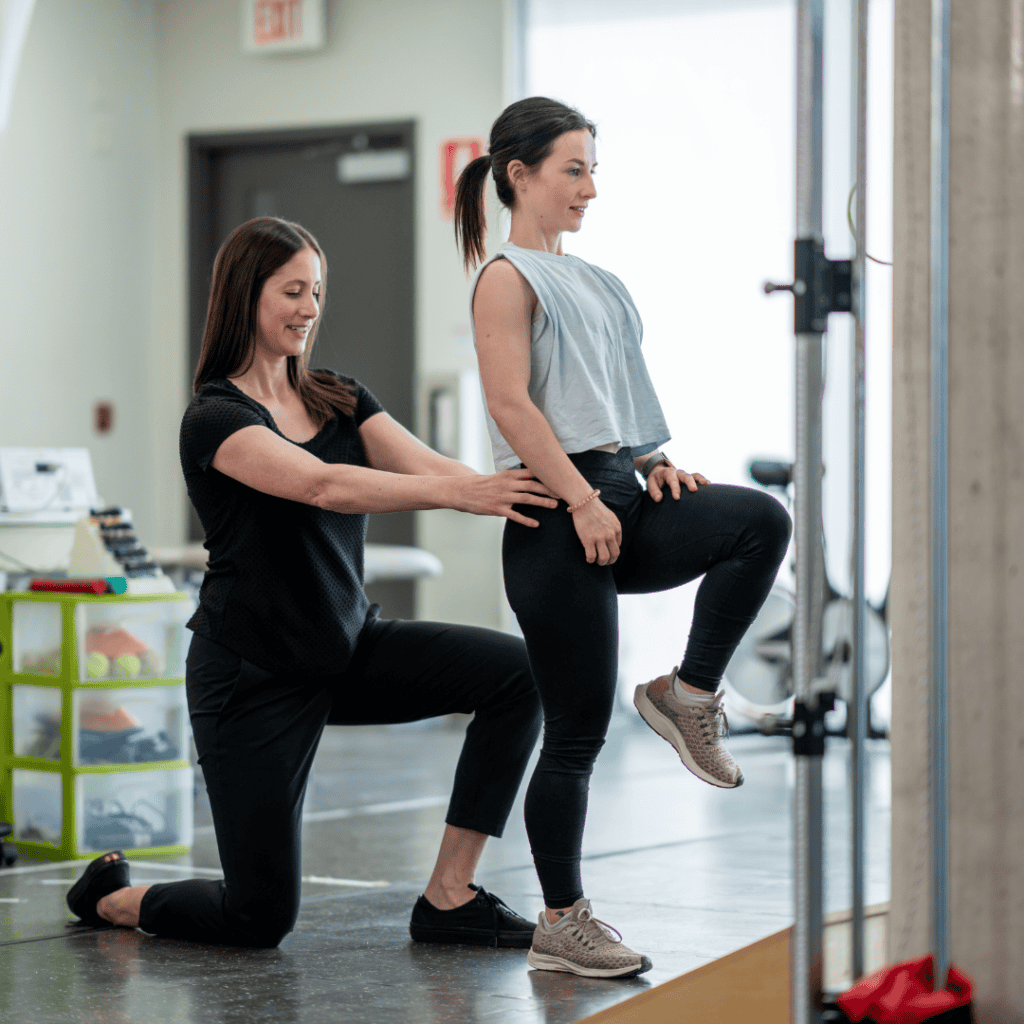
A physiotherapist can assess your mobility, strength, posture, and movement patterns to identify the root cause of your symptoms. Treatment may include hands-on therapy, exercise prescription, mobility training, and guidance on injury prevention so you can continue enjoying the game you love.
Stay in the Game This Summer
Golf should leave you feeling energized, not sidelined by back pain. With the right combination of mobility, strength, and movement strategies, many golf-related aches and pains can be prevented or effectively managed.
If back pain is affecting your game, the team at ellephysio is here to help you get back on course!