Ankle Sprains: What the Latest Research Says About Recovery
Ankle sprains are one of the most common injuries we see in physiotherapy; whether from sports, stepping awkwardly off a curb, or simply losing balance during everyday activities. While many people assume an ankle sprain will “heal on its own,” current research shows that proper rehabilitation is key to preventing ongoing pain, stiffness, instability, and repeat injuries.
At our recent team inservice, our physiotherapists and massage therapists reviewed the latest evidence and updated clinical practice guidelines for treating both acute and chronic lateral ankle sprains. Here are some of the key takeaways we’re excited to share.
What Is a Lateral Ankle Sprain?
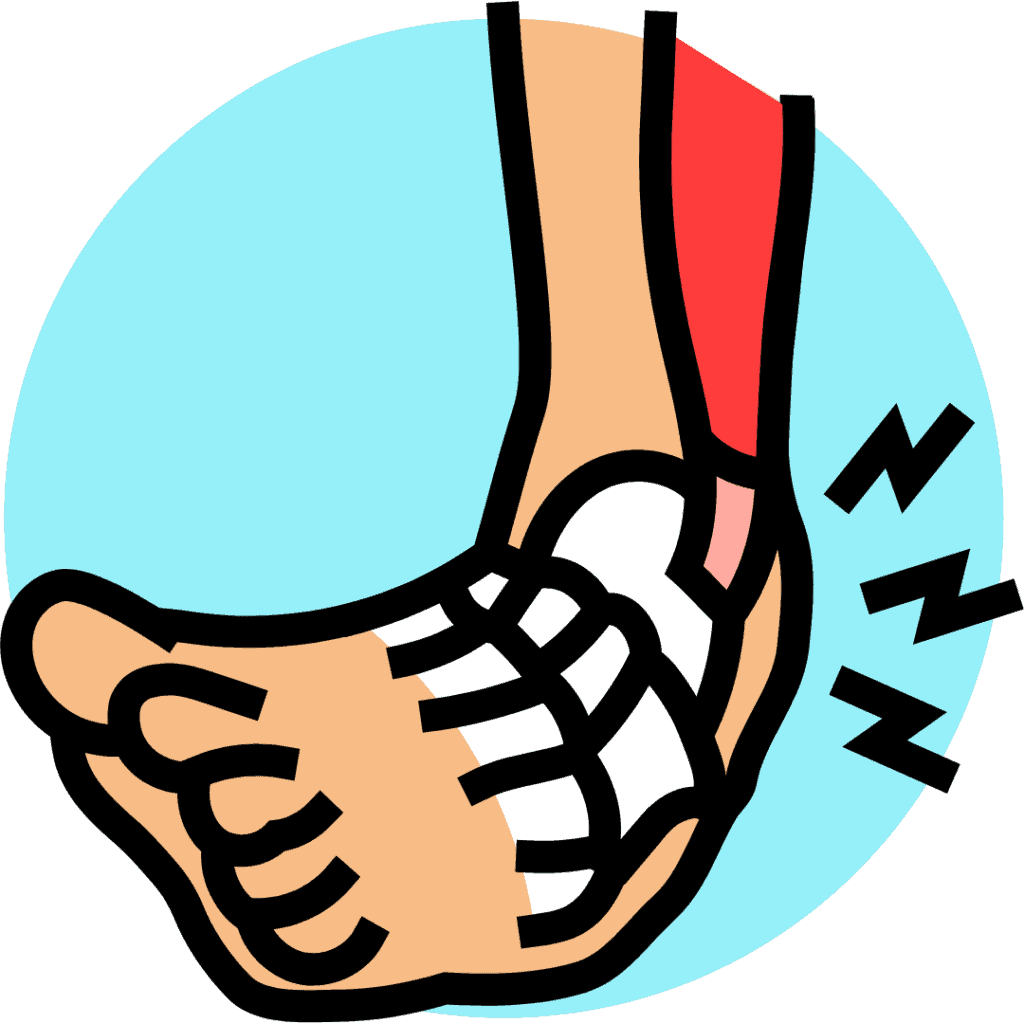
A lateral ankle sprain occurs when the foot rolls inward, overstretching the ligaments on the outside of the ankle. Symptoms often include:
- Pain and swelling
- Bruising
- Difficulty walking
- A feeling of instability or weakness
For some people, symptoms resolve quickly. For others, repeated sprains or lingering stiffness can lead to chronic ankle instability and ongoing discomfort.
What Treatments Work Best?
The latest clinical practice guidelines highlight several physiotherapy treatments that have the strongest evidence for recovery:
Manual Therapy – Hands-on treatment can help restore ankle mobility, reduce pain, and improve movement quality. Techniques may include joint mobilizations and soft tissue treatment to help the ankle move more normally again.
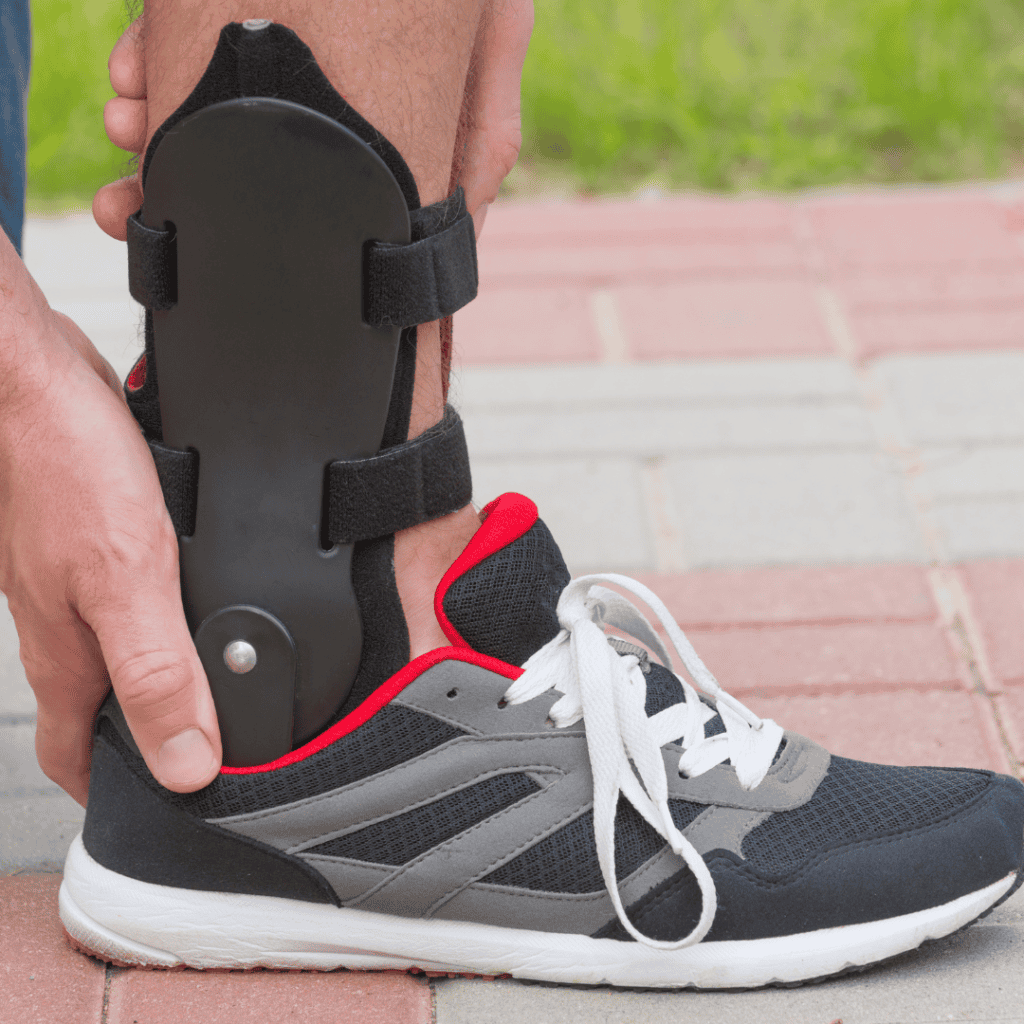
Bracing and Support – Temporary use of ankle braces or taping can provide stability during the healing process and help patients return safely to daily activities and sport.
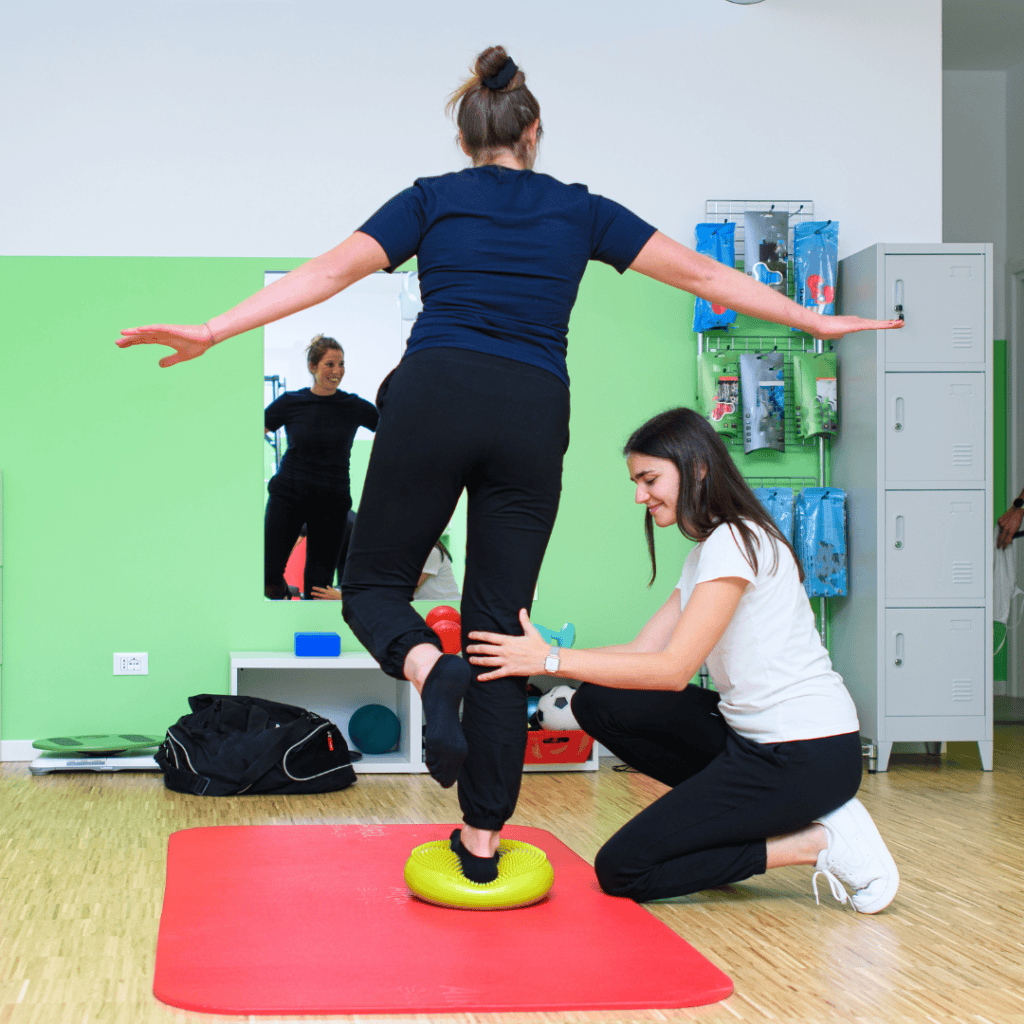
Balance and Proprioception Exercises – Balance training is one of the most important parts of ankle rehabilitation. After a sprain, the body’s ability to sense joint position can be impaired, increasing the risk of reinjury. Exercises that challenge balance and coordination help retrain these systems and improve stability.
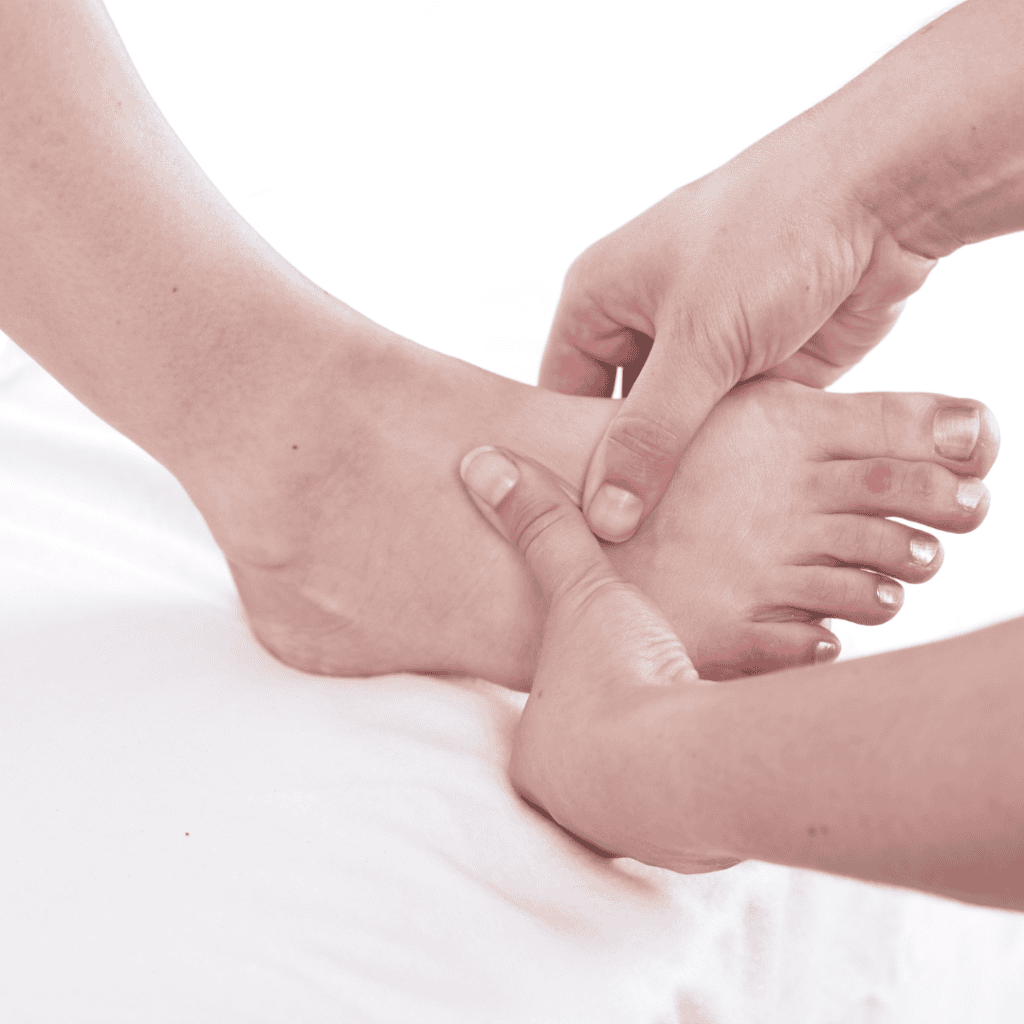
Lymphatic Massage and Swelling Management – Managing swelling early is essential for recovery. Lymphatic massage and other swelling-reduction techniques can help improve circulation, reduce stiffness, and support healing.
Why Ankle Mobility Matters
Our team also reviewed the importance of restoring:
- Dorsiflexion: the ability to bring the knee forward over the foot
- Eversion: the ability to turn the foot outward
Limited mobility in these directions can affect walking, squatting, stair climbing, and athletic performance. Restricted ankle motion may also increase stress on other joints such as the knee and hip.
Strengthening the “Hidden Helpers” of the Foot and Ankle
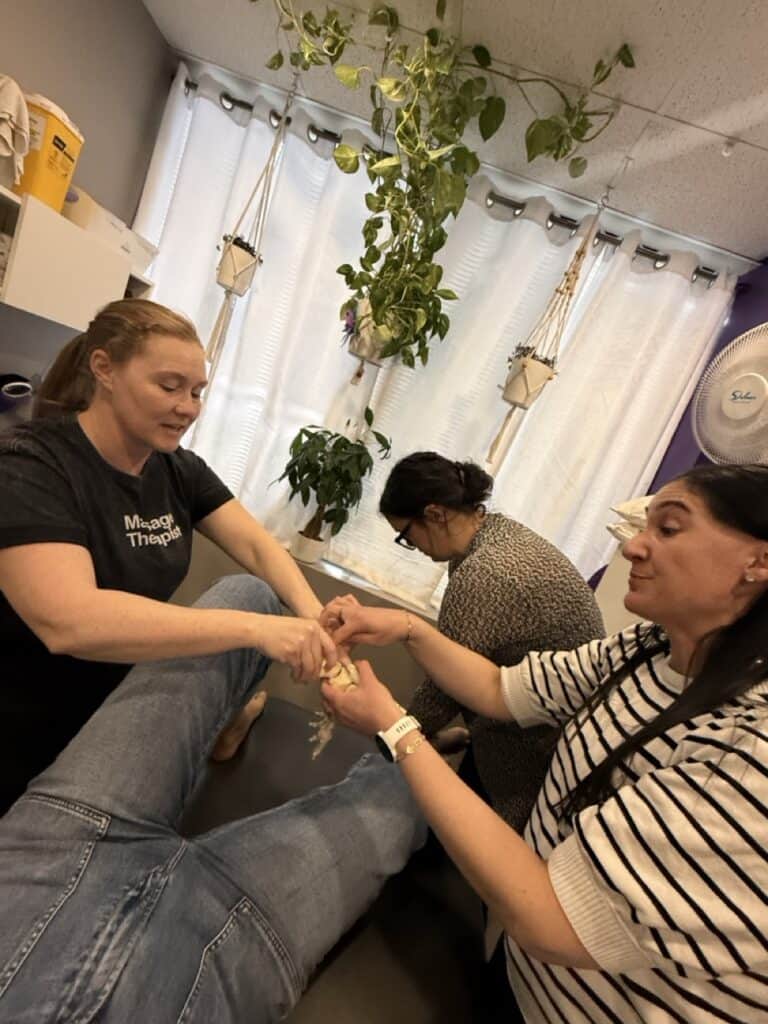
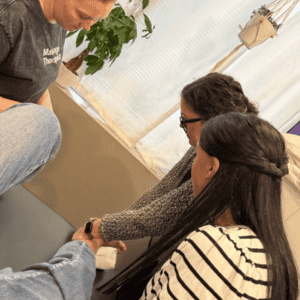
A fun part of the inservice involved team members demonstrating their favourite exercises for strengthening two important stabilizing muscles:
Tibialis Posterior – This muscle helps support the arch of the foot and control ankle stability during walking and running.
Flexor Hallucis Longus (FHL) – The FHL helps control the big toe and contributes to balance, push-off strength, and foot stability.
Targeted strengthening of these muscles can improve overall ankle control and may help reduce the risk of future sprains.
The Bottom Line
Ankle sprains are more than just a temporary inconvenience. Evidence-based physiotherapy can play a major role in:
- Reducing pain and swelling
- Restoring mobility
- Improving balance and strength
- Preventing repeat injuries
- Helping patients return confidently to activity

ellephysio is so much more than pelvic health. Our clinicians are sport medicine therapists at heart, highly skilled and educated in manual therapy and Fellows of the Canadian Academy of Manual & Musculoskeletal Therapists (FCAMPT), the highest level of skill in the field.
If you’ve recently sprained your ankle or have ongoing instability from an old injury, physiotherapy and massage therapy can help guide a safe and effective recovery plan tailored to your goals. It’s never too late
Click the button below to schedule an appointment to check it out or call the clinic at (289) 815-3553.